Modern Technology:
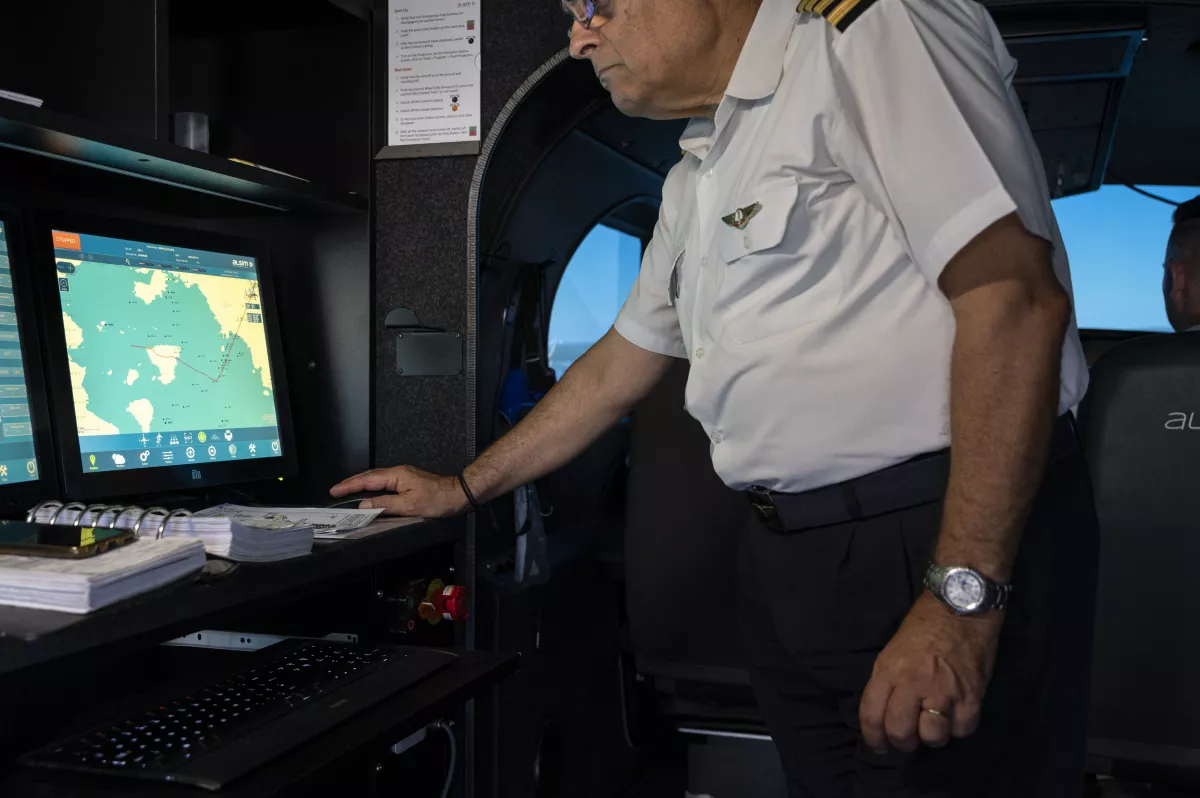
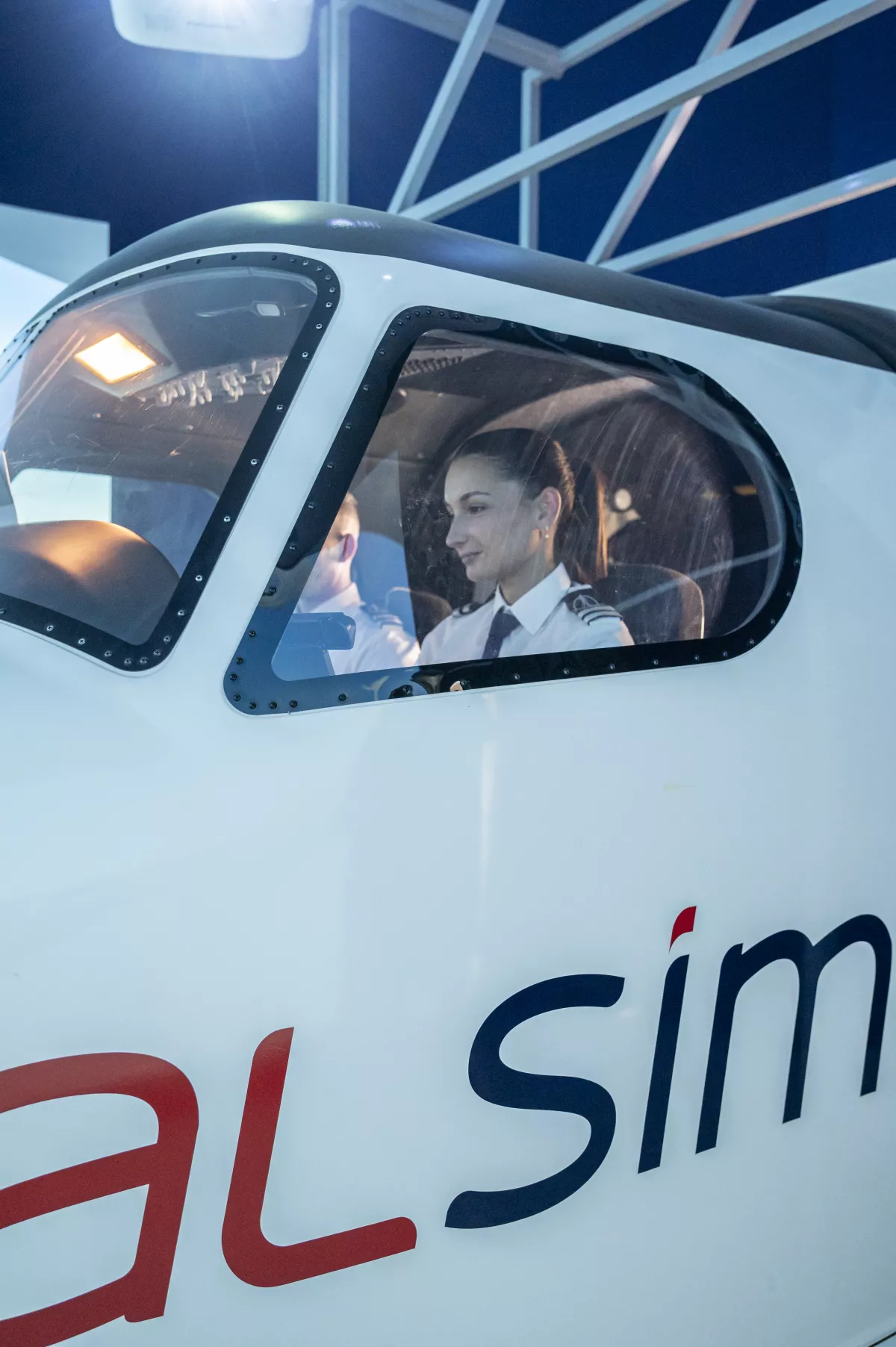
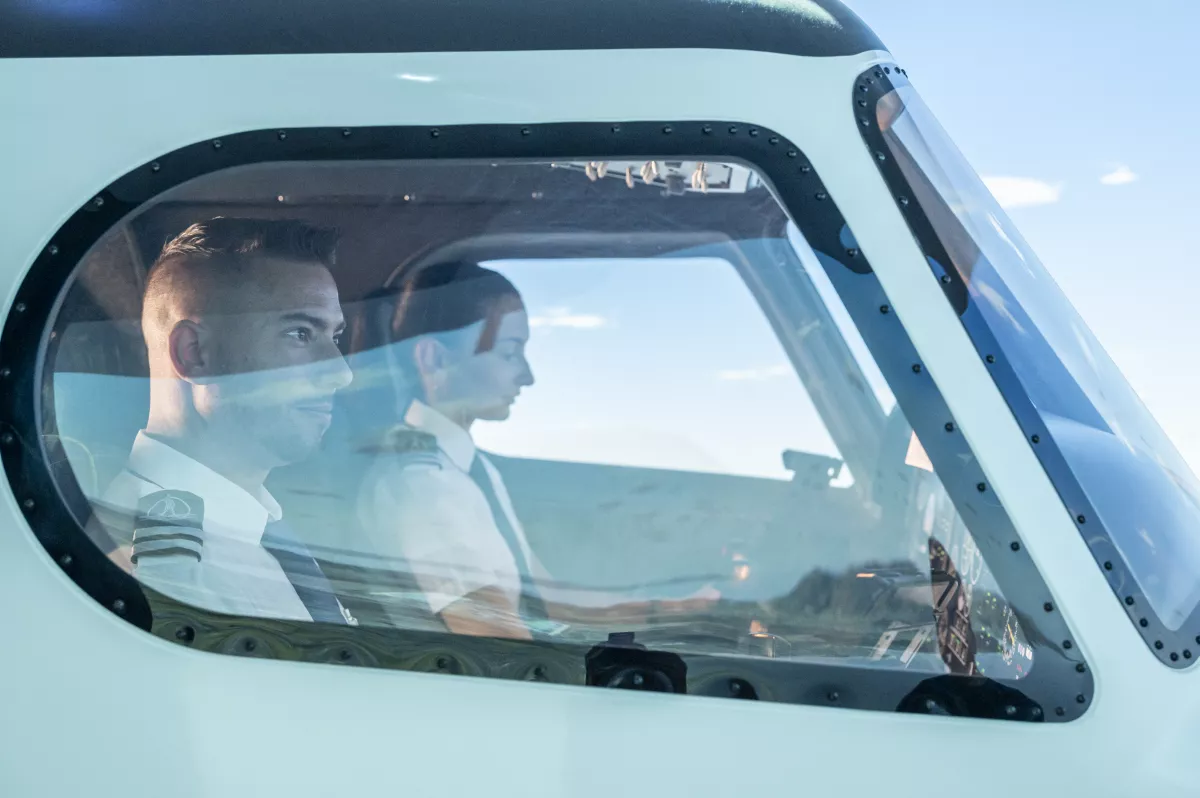
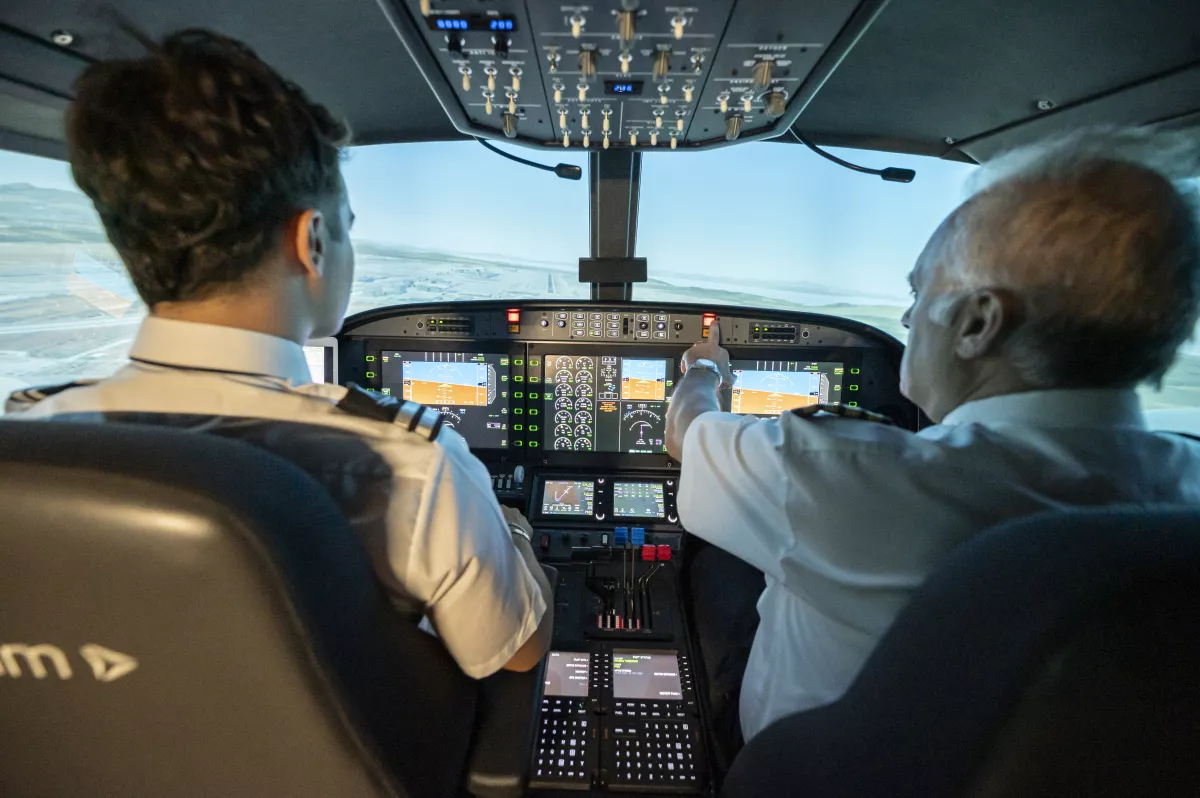
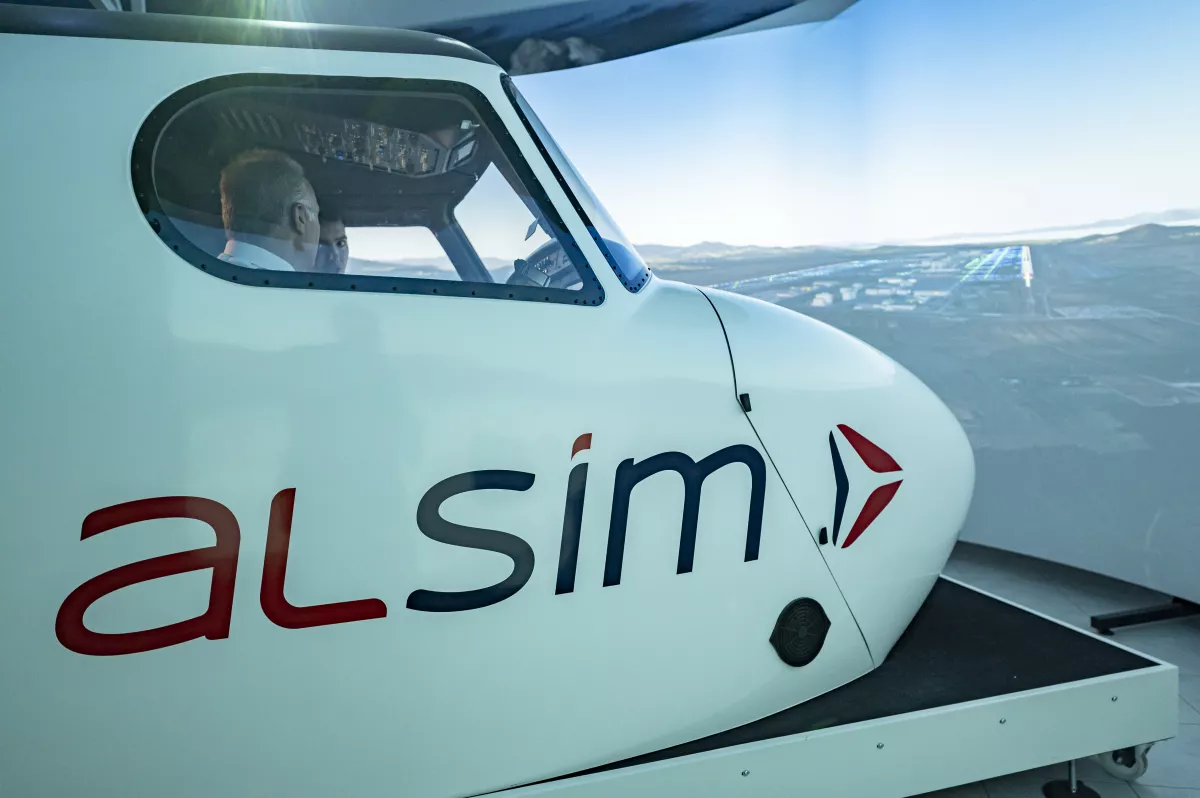
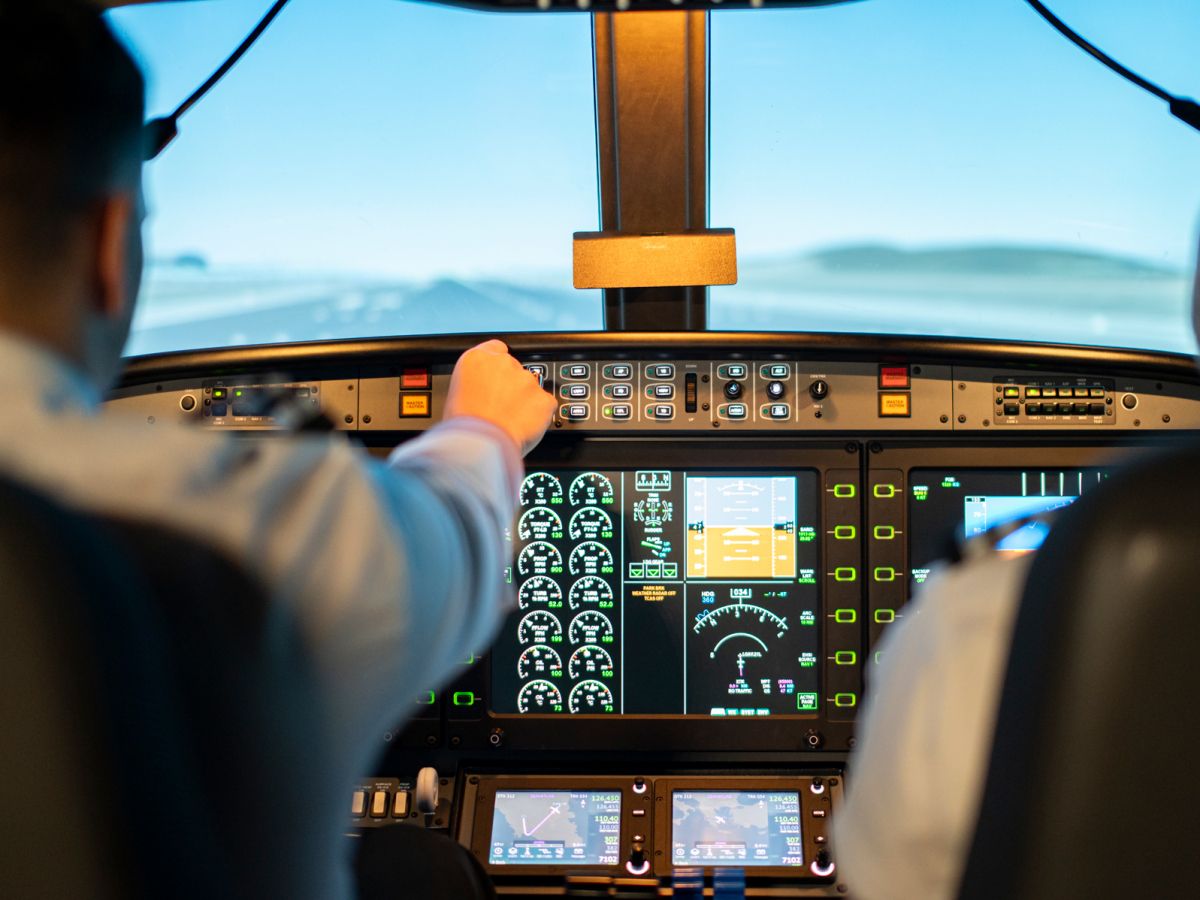
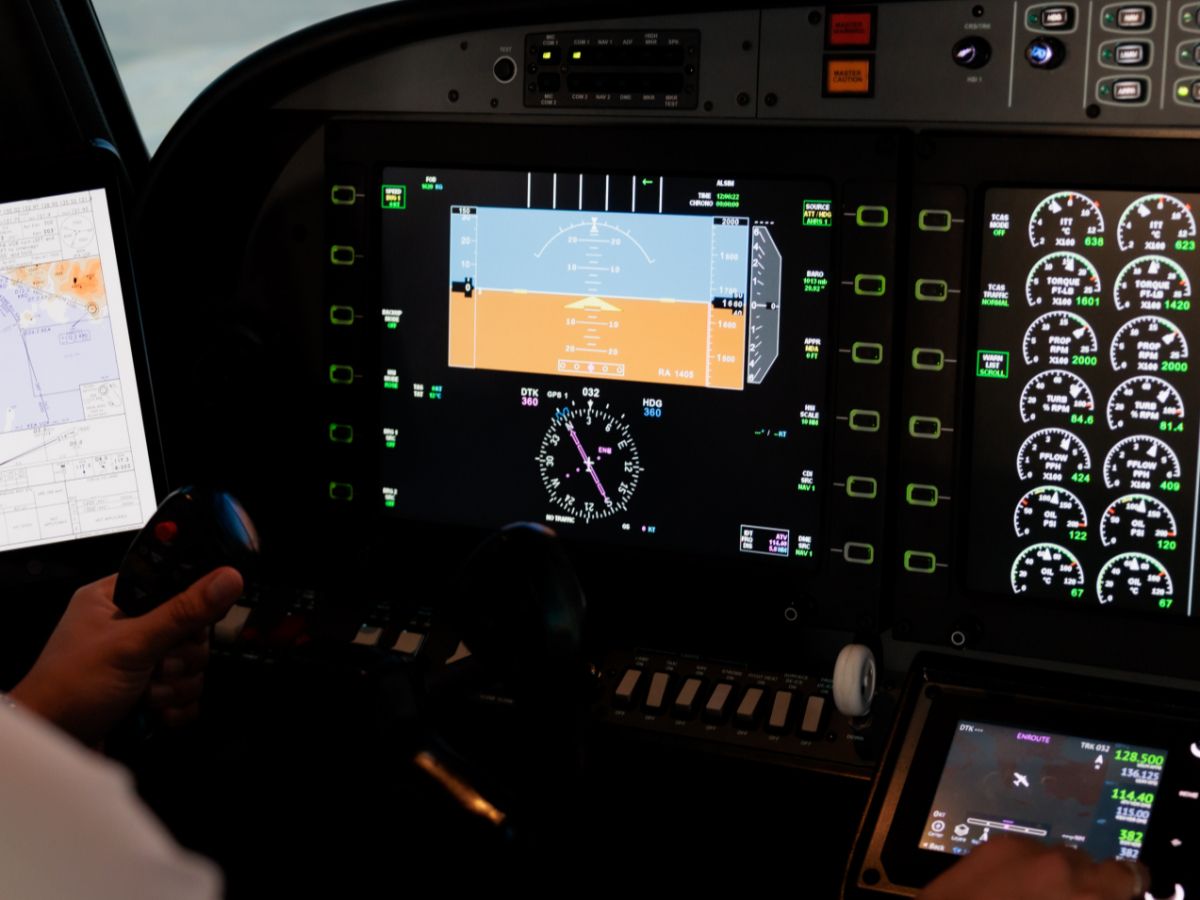
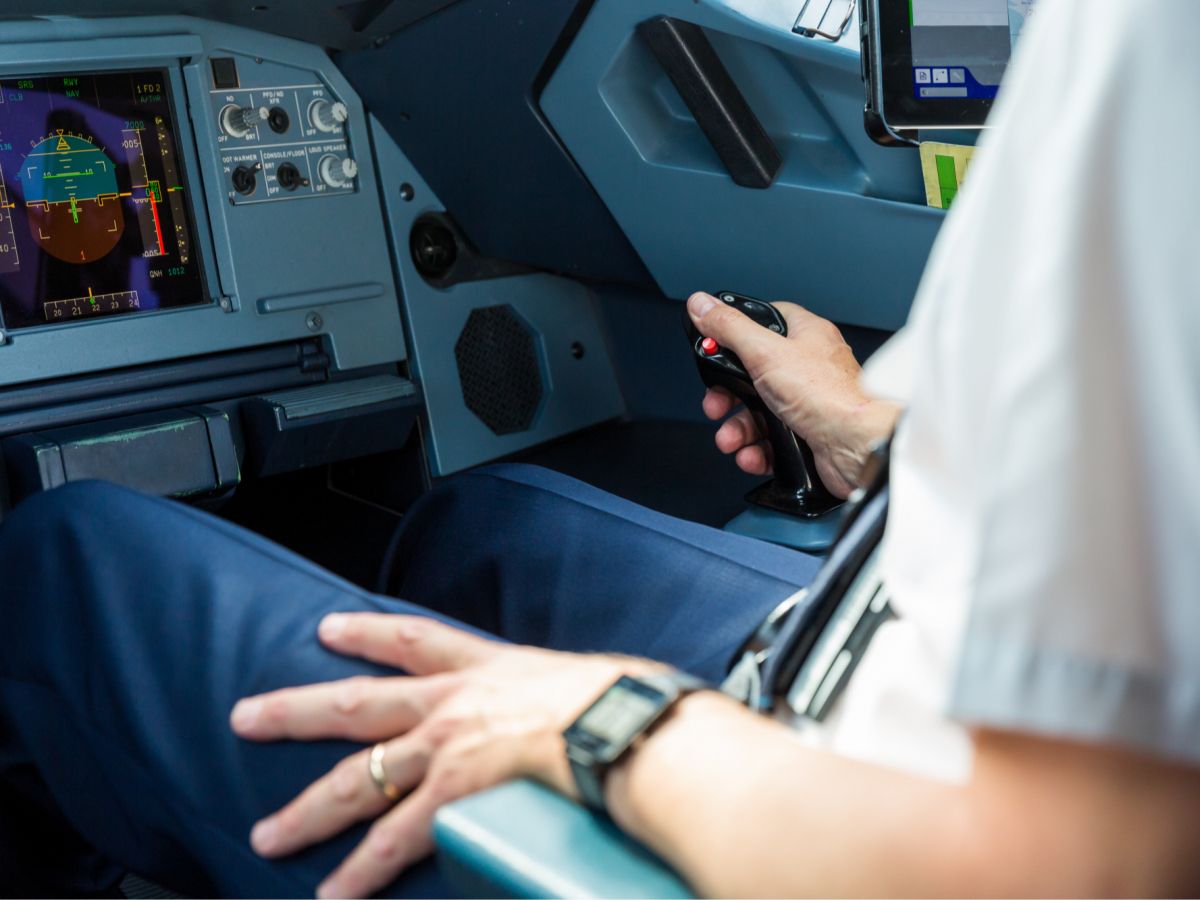
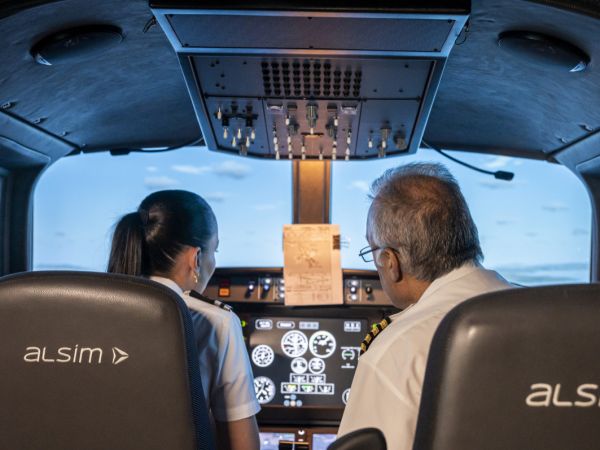
Modern simulators, certified by authorities like EASA, incorporate advanced visual systems, realistic motion platforms, and state-of-the-art avionics to deliver unparalleled training quality, providing thus an excellent platform for effective pilot training.
Practice in demanding conditions and procedures:
Flight Simulators (FS) provide many benefits to aspired pilots during their training, helping them to increase their skills, and giving them the chance to practise in conditions and procedures that in many cases are impossible to experience during real flight. They provide a Safe Environment for Training where pilots in a controlled and risk-free environment can practice complex maneuvers, emergency procedures, and adverse weather operations. Learning to fly with the aid of FS is Cost-Effective since in contrast to a training in an actual airplane they dramatically reduce costs providing a more affordable option for pilot training.
Competency:
Along with the above, Flight Simulator Devises play a vital role in meeting regulatory requirements for pilot training, ensuring pilots achieve competency before operating real aircraft. They also replicate real-world scenarios with remarkable accuracy enhancing by their realism the overall training experience and enable access to specialized training programs like Multi-Crew Cooperation (MCC), Jet Orientation Course (JOC), and type ratings for aircraft.
Fundamental skills:
Flight Simulators supports Key Stages of Pilot Training, during Basic, Advanced and Recurrent training. Concerning early training stages especially, they help student pilots to master fundamental skills such as navigation, instrument flying, and emergency handling before advancing to real aircraft. Additionally, they provide a foundational learning environment that enhances confidence.
Flight Training with FAS:
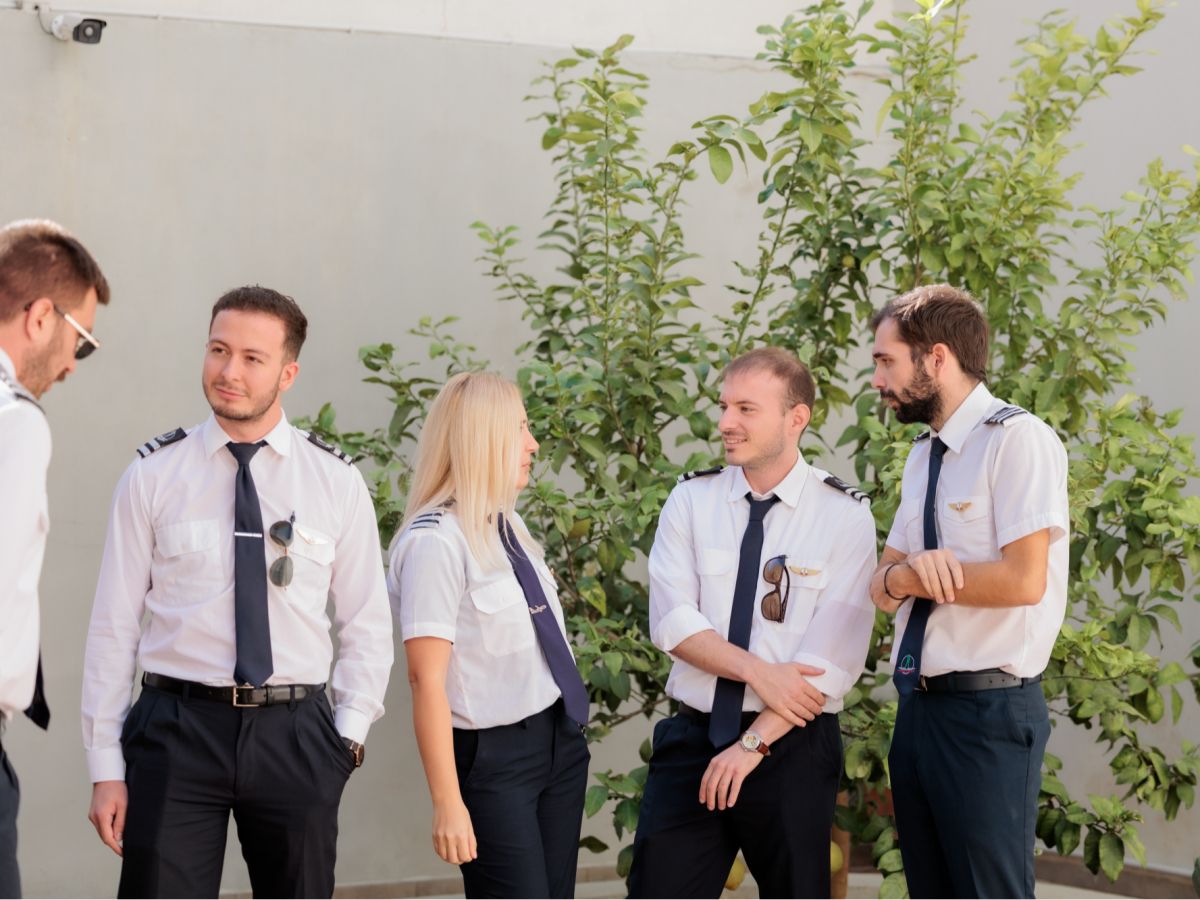
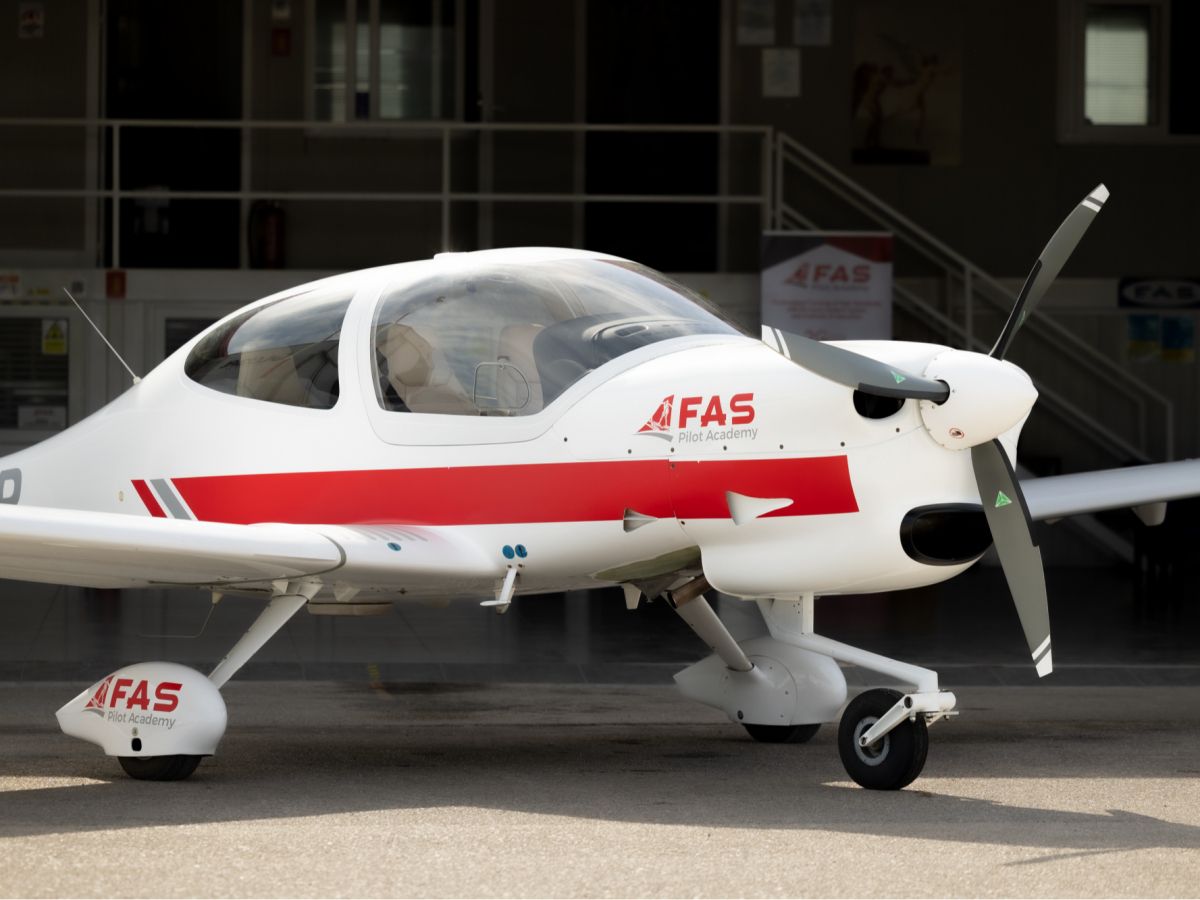
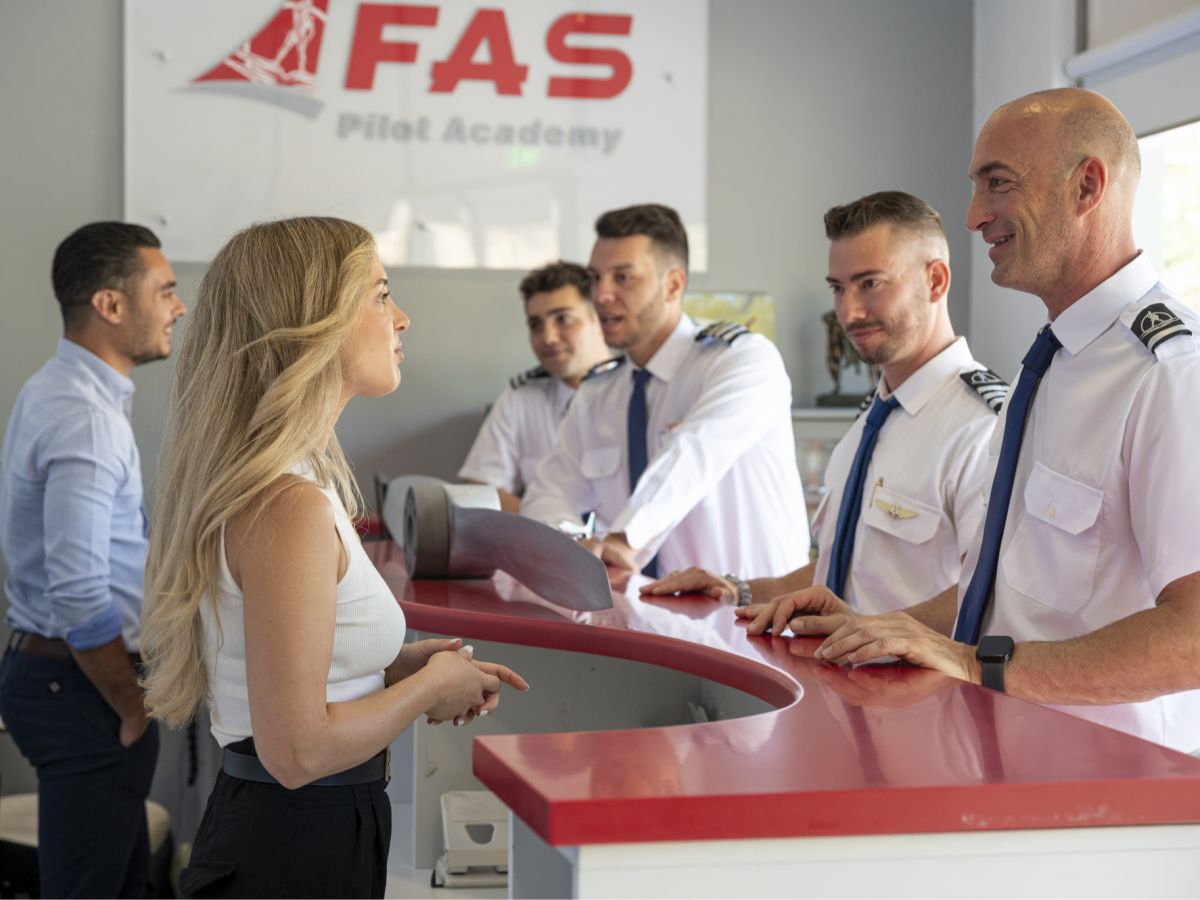
FAS Academy with its highly educated and experienced tutors and with the aid of both the hi-tech simulators and modern fleet of airplanes, provide to aspiring airline pilots a professional training according to EASA standards and to the increased modern demands of aviation industry.
Dr. Dimitrios Kostopoulos