
Structured cognitive and social process
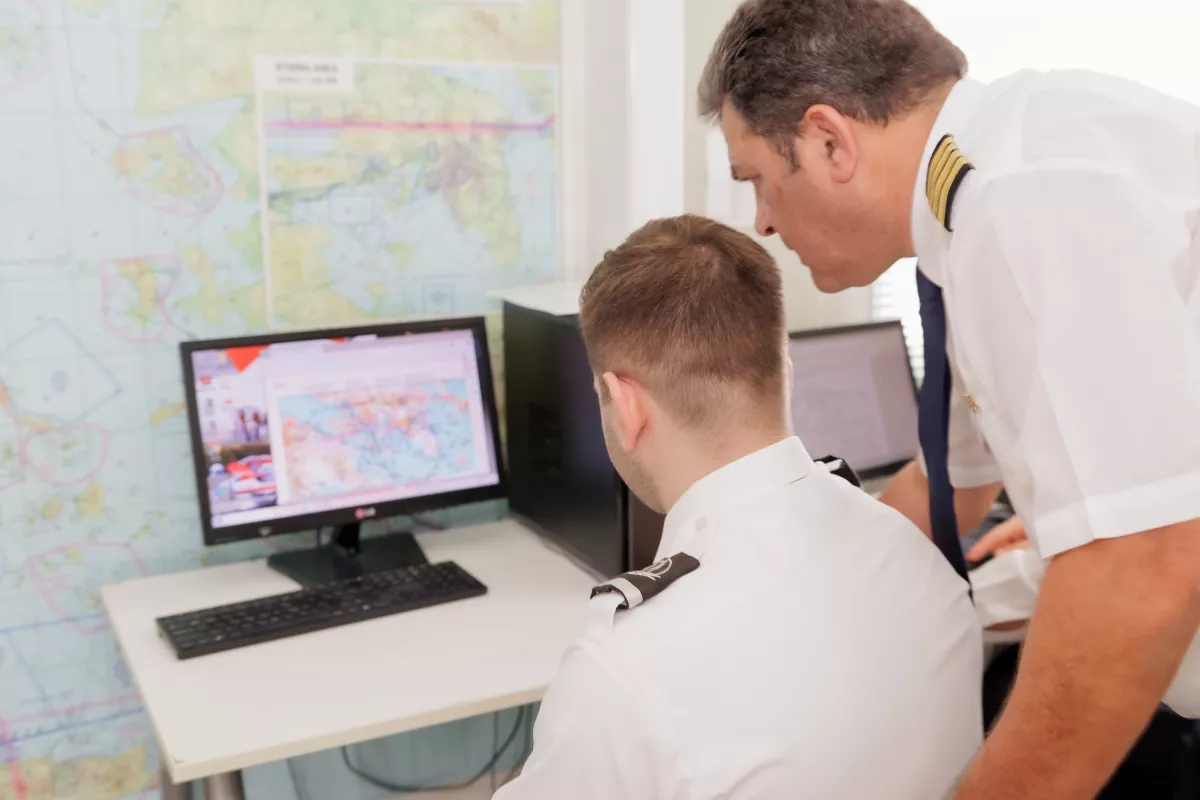
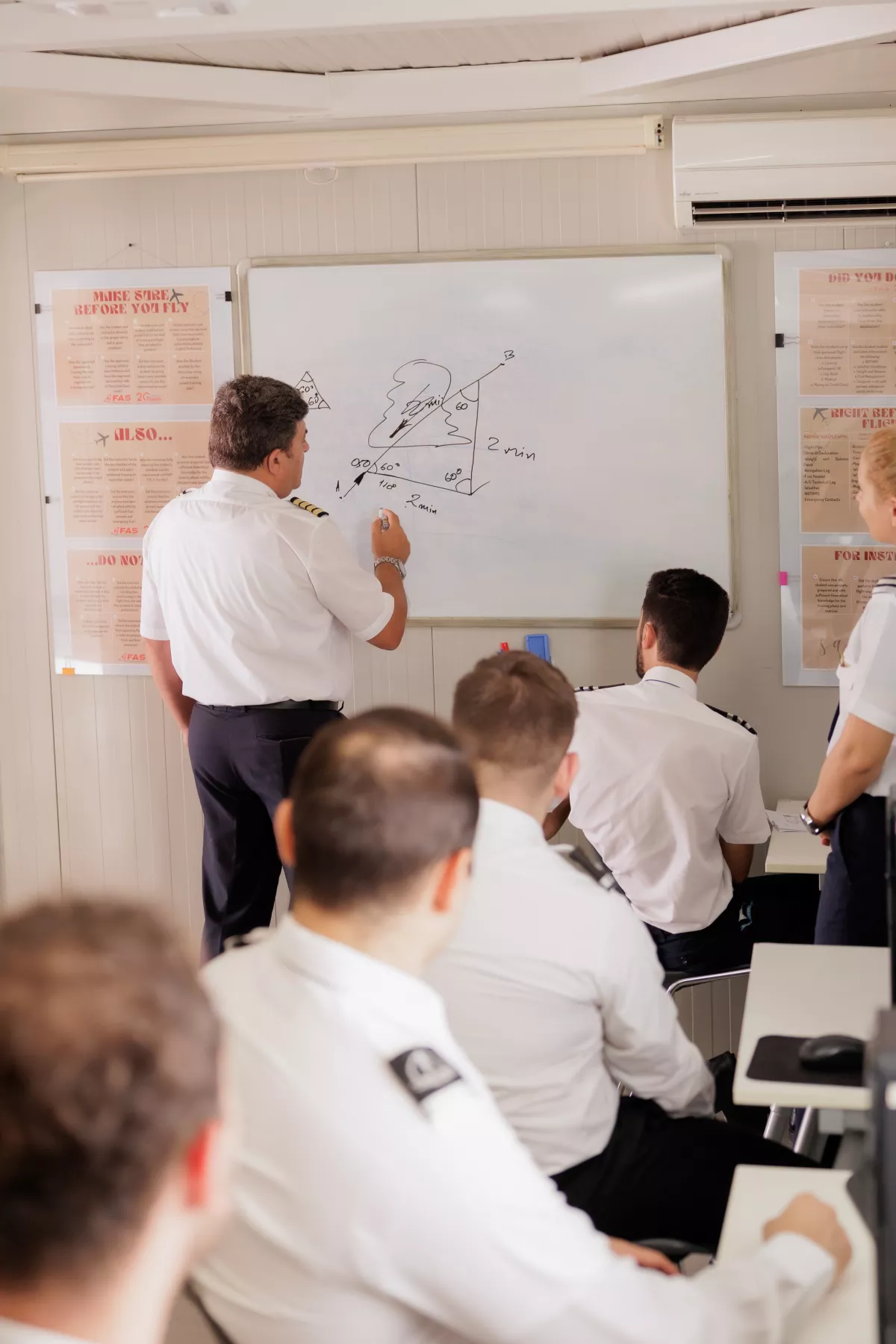
Rather than a simple exchange of data, the briefing is a structured cognitive and social process. It establishes clear team dynamics, defines leadership roles, and most importantly, builds a shared mental model among the flight crew. This alignment is a critical preventative measure, significantly reducing the likelihood of operational omissions caused by human factors such as fatigue or diminished situational awareness.
Threat and Error Management (TEM)
A central component of modern flight preparation is Threat and Error Management (TEM). The underlying philosophy is that operational threats and human errors are inevitable in daily operations. Therefore, the focus shifts toward proactive detection and management before these issues can lead to an undesired aircraft state. By utilizing structured methodologies, crews systematically review critical variables—such as weather conditions, aircraft technical status, and airspace notices.
«What-If» scenarios
This analysis moves beyond passive observation. It requires crews to actively identify specific threats and formulate clear mitigation strategies. The process culminates in the discussion of contingency plans and «What-I» scenarios. By pre-agreeing on alternative actions for situations like a required go-around, an unexpected technical issue, or a diversion, the crew ensures they are cognitively prepared to execute a backup plan without hesitation.
Ultimately, this evolution has transformed the pre-flight briefing from a standard operational monologue into an interactive, analytical dialogue.
A comprehensive briefing ensures that aviation professionals are not merely informed of the flight parameters, but are strategically aligned to manage the complex realities of the operation.